
 Maritime

HR Workflow Automation in 2026: What Actually Changes and What Quietly Breaks
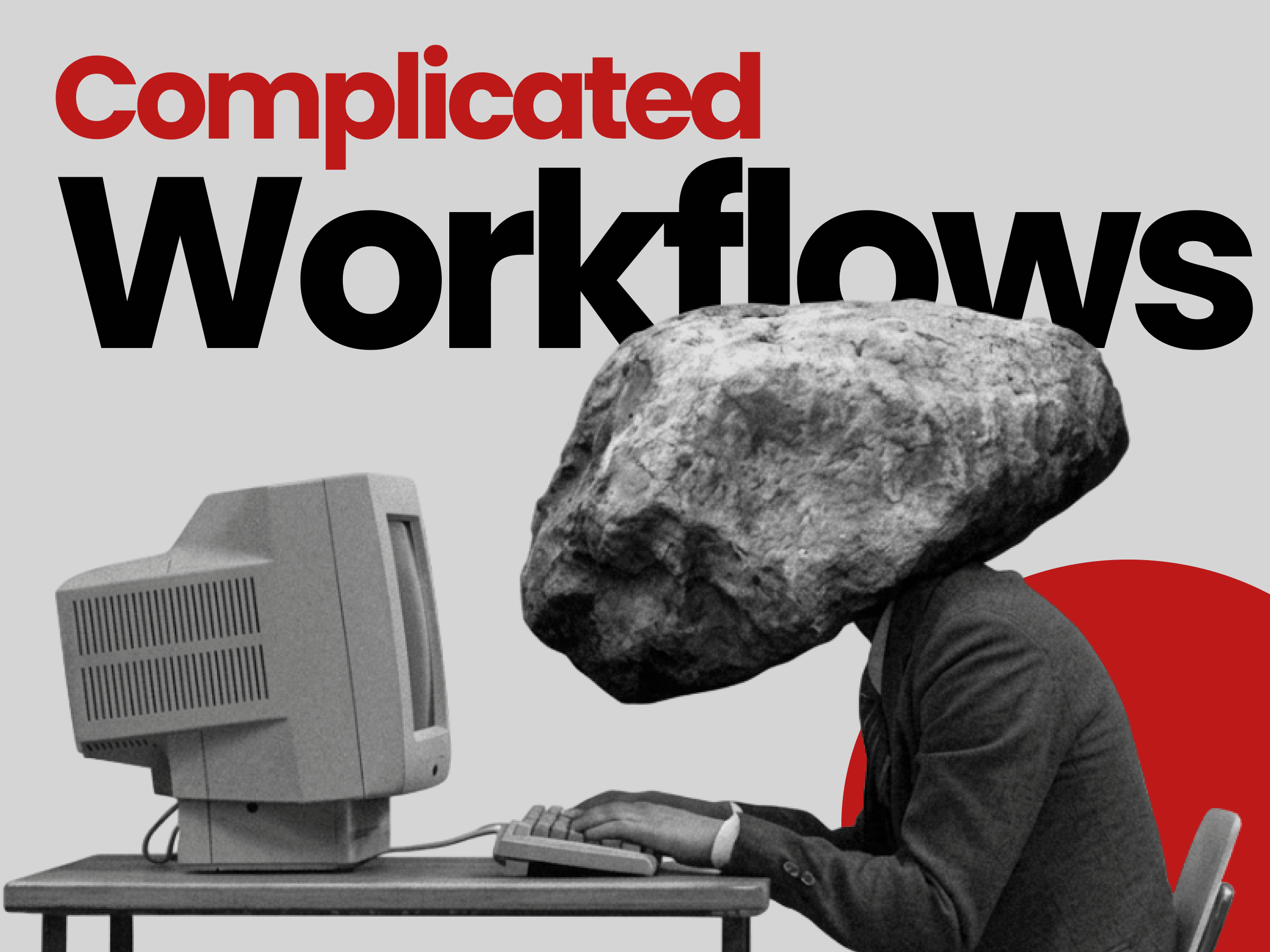
Across Europe, and also based on a few McKinsey articles, HR teams are not asking whether to automate anymore. That decision is already behind them. Most organisations already run some mix of HRMS, HRIS, payroll platforms, ticketing tools, and bits of robotic process automation stitched together over time.
What they are dealing with now is something more subtle. Workflows that technically function, but feel heavier each year. Systems that are “integrated”, yet still require manual nudging. Automation exists, but doesn’t always help.
By 2026, the difference between HR teams that feel in control and those that feel stuck is not how much automation they use. It’s where they placed it and what they expected it to solve.
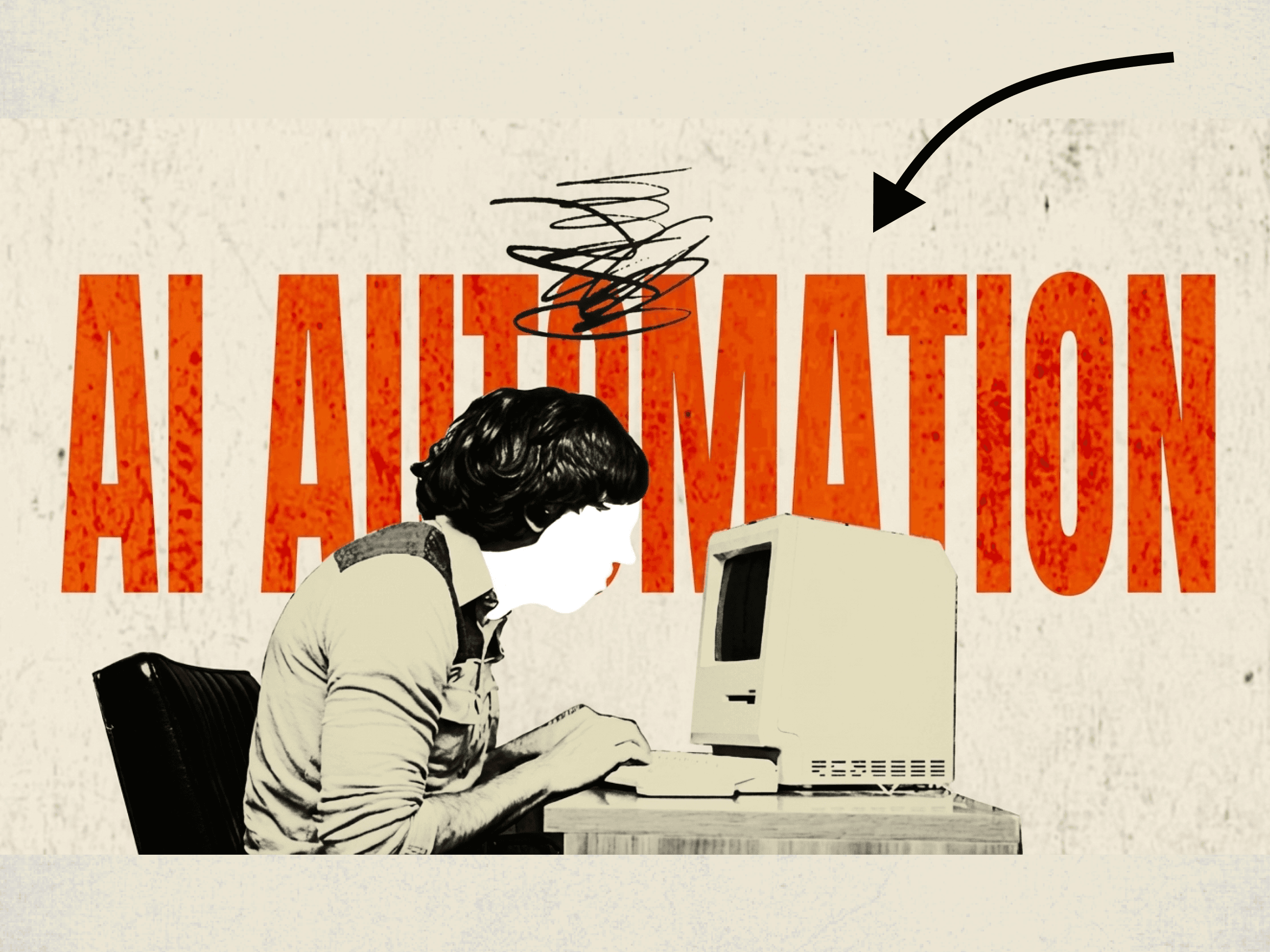
Automation didn’t remove work; it rearranged it
HR workflow automation was meant to eliminate repetitive tasks. In practice, it often moved them around.
Employee onboarding is a good example. Forms are automated. Access requests trigger automatically. Welcome emails send themselves. Yet HR still spends time chasing missing information, correcting records, and explaining edge cases that the system cannot handle.
The work didn’t disappear. It just slowly shifted to exceptions, corrections, and follow-ups.
Teams that struggle tend to automate individual steps without understanding the full workflow. Each tool works in isolation. The handoffs between them are where friction accumulates.
Teams that do better map the entire flow first, then decide what should be automated and what should stay human.
Robotic process automation helped, but only in narrow lanes
Robotic process automation still has a place in HR. It works perfectly well for repetitive actions, such as data transfers, payroll validations, or compliance reporting, where rules rarely change.
Problems start when RPA is stretched into areas that require judgment. Bots copying data between an HRMS and a finance system can save hours. Bots deciding how to handle incomplete employee records usually create more work than they remove.
Across European organisations, the most successful RPA use cases in HR are boring by design. They handle volume quietly and stay away from decisions that require context.
HRMS and HRIS systems became heavier, not smarter
Most HRMS and HRIS platforms in use today are far more capable than they were a decade ago. They cover the entire employee lifecycle. They promise visibility, compliance, and control.
What they also bring is weight.
Each new module adds configuration. Each integration adds dependency. Over time, HR teams spend less time improving workflows and more time maintaining them.
The systems are not failing. They are doing exactly what they were built to do. The issue is that organisations often expect one system to reflect reality across very different teams, countries, and employment models.
By 2026, the teams doing well accept that no HRIS will ever fully match reality. They stop forcing it to.
Workflow automation breaks at country borders
This is particularly visible in Europe.
Labour laws differ. Notice periods differ. Payroll cycles differ. Data retention rules differ. An HR workflow that works smoothly in one country often becomes fragile in another.
Automation built without local context creates a silent risk. The process runs. The data moves. Compliance issues only surface later.
Teams that manage this well design workflows with local checkpoints. Automation handles consistency. Humans handle interpretation. This balance matters more than technical elegance.

Speed became the wrong success metric
For years, HR automation was sold on speed. Faster onboarding. Faster approvals. Faster resolution.
Speed still matters, but it is no longer the right primary signal.
In many organisations, faster workflows led to lower clarity. Issues moved downstream instead of being resolved early. HR teams became responsive, but less deliberate.
In 2026, the better indicator is stability. How often does a workflow require manual correction? How often does automation create follow-up work? These questions reveal more than turnaround time ever did.
Data accuracy is now the real bottleneck
As HR systems became more connected, data accuracy became the limiting factor.
Automated workflows assume clean data. In reality, employee data is usually messy. People change roles, locations, contracts, and managers. Systems usually end up lagging behind these changes.
When automation runs on outdated or incomplete data, errors multiply quickly.
Teams that succeed put more effort into data ownership than automation logic. They define who owns which data and when it gets updated. Automation then works with fewer surprises.
Employees notice bad automation immediately
One overlooked shift is employee perception.
Employees no longer judge HR by policy documents. They judge it by experience. Onboarding delays, access issues, payroll errors, and unclear workflows are felt immediately.
When automation works, employees barely notice. When it fails, trust erodes fast.
This is why many organisations are reassessing HR workflow automation not from an efficiency lens, but from an experience lens. Smooth workflows reduce friction long before HR hears about a problem.
What changes for HR automation in 2026
The organisations preparing well for 2026 are not chasing more tools. They are simplifying.
- They reduce the number of automated decision points
- They automate movement, not judgment
- They design workflows around reality, not diagrams
- They audit automation regularly instead of assuming it keeps working
This approach looks slower on paper. In practice, it scales better.
Organisations are also paying closer attention to EU regulatory indicators and adjusting workflows accordingly.
Where Falcon Reality fits into this shift
This is the perspective Falcon Reality works from when designing HR workflow automation.
The focus is not on adding more automation, but on placing it correctly. Automating handoffs, visibility, and consistency while keeping human judgment where context still matters.
Especially in environments where HRMS, HRIS, and robotic process automation already exist but don’t quite work together.
When automation is designed this way, HR teams spend less time fixing workflows and more time supporting people.